تخطَّ إلى المحتوىSkip to content

الخدمات الطبيةMedical services

الوخز بالإبر ضمن خطة علاجية طبيةAcupuncture within a medical treatment plan

يُقدَّم الوخز بالإبر في العيادة بعد تقييم طبي، وكخيار مساعد لا بديل. نوضح بصراحة أين تدعمه الإرشادات، وأين تختلف، وأين لا توجد أدلة كافية.At the clinic, acupuncture follows a medical assessment and is offered as an adjunct, never a replacement. We are explicit about where guidelines support it, where they differ, and where evidence is insufficient.

منهج العيادةThe clinic's approach

خطوات ثابتة قبل أي جلسة وخز.Consistent steps before any acupuncture session.

مسار القرارDecision pathway
  1. التقييم الطبيMedical assessmentالتشخيص أولًا، واستبعاد علامات الإنذار والأسباب التي تحتاج علاجًا آخر.Diagnosis first, excluding warning signs and causes that need other treatment.
  2. العلاج المعتمدEstablished careمناقشة العلاج الموصى به في الإرشادات لهذه الحالة.Discussion of guideline-recommended treatment for the condition.
  3. قرار مستنيرInformed decisionإن كان الوخز خيارًا، تُشرح قوة الأدلة والمخاطر والبدائل.If acupuncture is an option, the strength of evidence, risks and alternatives are explained.
  4. أهداف ومدة محددةGoals and a defined courseأهداف وظيفية قابلة للقياس ومدة محددة مسبقًا.Measurable functional goals and a course agreed in advance.
  5. المراجعةReviewتقييم النتيجة؛ ولا يستمر العلاج دون فائدة واضحة.Outcome is assessed; treatment does not continue without clear benefit.

الأدلة في لمحةThe evidence at a glance

ملخص لموقف الإرشادات في الحالات التي تتوفر لها مقالات مراجَعة. اضغط على الحالة لقراءة التفاصيل والمراجع.Where guidelines stand for conditions with reviewed articles. Select a condition for detail and references.

الحالةConditionالموقفPositionالملخصSummary
ألم أسفل الظهر المزمن وعرق النساChronic low back pain and sciaticaتوصيات الإرشادات متباينةGuideline recommendations divergeالإرشادات متباينة: لا توصي NICE (‏NG59) بالوخز بالإبر لألم أسفل الظهر، بينما تدرجه الكلية الأمريكية للأطباء (2017) ضمن الخيارات غير الدوائية الأولية للألم المزمن.Guidelines diverge: NICE (NG59) recommends against acupuncture for low back pain, while the American College of Physicians (2017) lists it among initial non-drug options for chronic pain.
الألم المزمن الأولي والألم العضلي الليفيChronic primary pain and fibromyalgiaيمكن النظر فيه وفق الإرشاداتMay be considered under guidelinesتوصي NICE (‏NG193) بالنظر في دورة واحدة من الوخز بالإبر أو الإبر الجافة لمن هم في سن 16 عامًا فأكثر، ضمن حدود محددة للتكلفة والوقت.NICE (NG193) recommends considering a single course of acupuncture or dry needling for people aged 16 and over, within defined limits of cost and clinician time.
خشونة الركبة والورك (الفُصال العظمي)Knee and hip osteoarthritisتوصيات الإرشادات متباينةGuideline recommendations divergeلا توصي NICE (‏NG226، 2022) بالوخز بالإبر أو الإبر الجافة للفُصال العظمي، بينما تعطيه الكلية الأمريكية لأمراض الروماتيزم (2019) توصية مشروطة للركبة والورك واليد.NICE (NG226, 2022) recommends against acupuncture or dry needling for osteoarthritis, while the American College of Rheumatology (2019) gives it a conditional recommendation for knee, hip and hand.
الشقيقة (الصداع النصفي)Migraineيمكن النظر فيه وفق الإرشاداتMay be considered under guidelinesتوصي NICE بالنظر في دورة وخز بالإبر (حتى 10 جلسات خلال 5–8 أسابيع) للوقاية من الشقيقة إذا لم تنجح أدوية الوقاية الأساسية أو لم تكن مناسبة.NICE recommends considering a course of acupuncture (up to 10 sessions over 5–8 weeks) for migraine prevention if first-line preventive medicines have not worked or are unsuitable.
الصداع التوتريTension-type headacheيمكن النظر فيه وفق الإرشاداتMay be considered under guidelinesتوصي NICE بالنظر في دورة وخز بالإبر تصل إلى 10 جلسات خلال 5–8 أسابيع للوقاية من الصداع التوتري المزمن.NICE recommends considering a course of up to 10 acupuncture sessions over 5–8 weeks to prevent chronic tension-type headache.
الغثيان والقيء بعد الجراحة والعلاج الكيميائيPostoperative and chemotherapy-related nauseaإجراء مساعد فقطAdjunct onlyأدلة منخفضة الجودة على تفوق تحفيز PC6 على الوخز الوهمي، وأدلة متوسطة الجودة على عدم وجود فرق بينه وبين مضادات القيء في الوقاية من غثيان ما بعد الجراحة.Low-quality evidence that PC6 stimulation is better than sham, and moderate-quality evidence of no difference from anti-emetic drugs in preventing postoperative nausea and vomiting.

الطرق المتاحة في العيادةMethods available at the clinic

توصيات الإرشادات المذكورة أعلاه تخص الوخز بالإبر والإبر الجافة فقط. أما الحجامة والموكسا والأشعة تحت الحمراء فتُناقش لكل مريض على حدة، بما في ذلك حدود الأدلة.The guideline recommendations above concern acupuncture and dry needling only. Cupping, moxibustion and infrared heat are discussed individually, including the limits of the evidence.

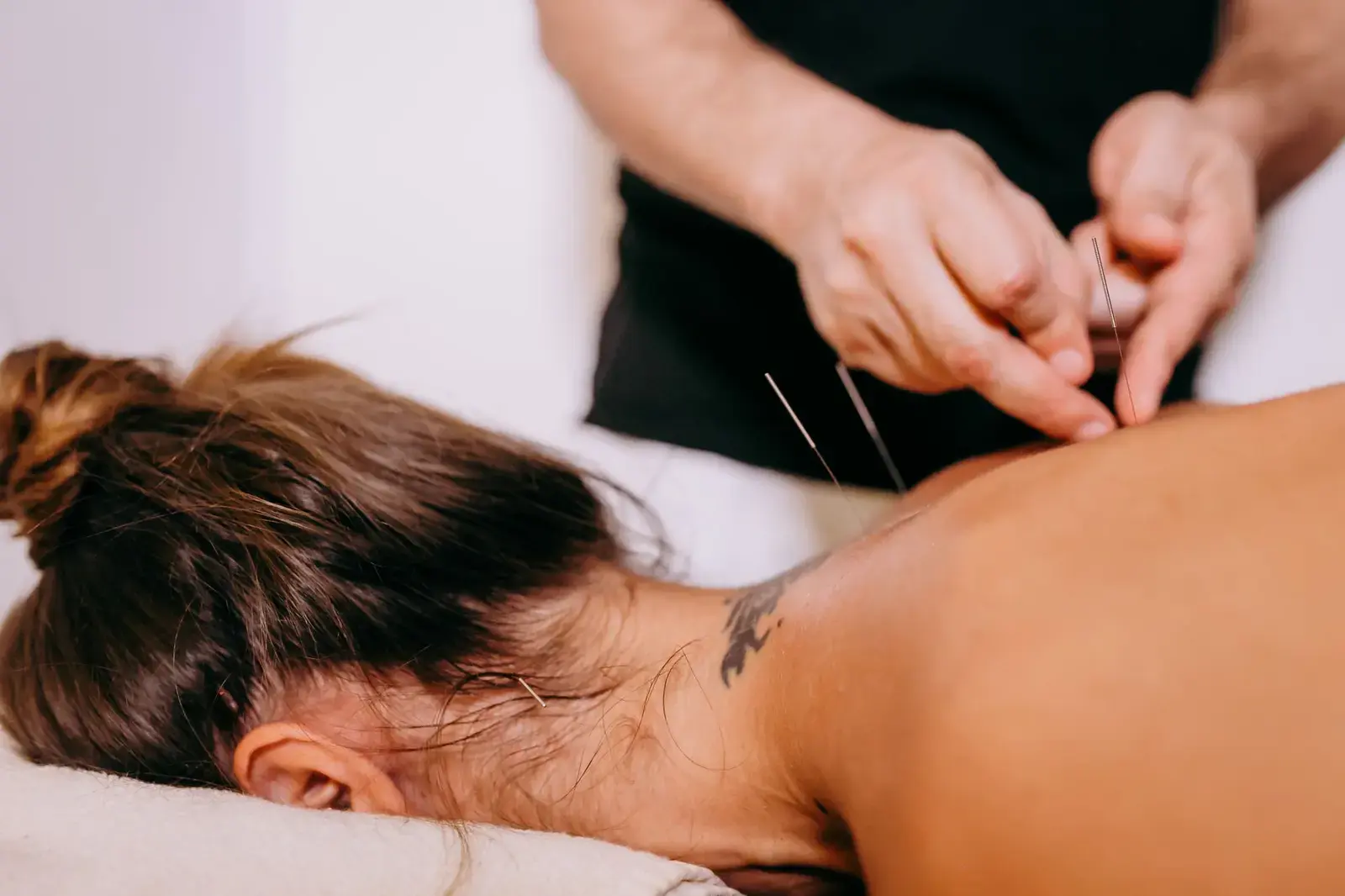
ممارس يضع إبر الوخز في ظهر مريضة مستلقيةA practitioner placing acupuncture needles in the back of a patient lying face down
صورة توضيحيةIllustrative photo

الوخز بالإبرAcupuncture

إبر رفيعة معقمة أحادية الاستعمال تُوضع في نقاط محددة. يُنظر فيها كخيار مساعد لبعض حالات الألم والصداع بعد التقييم الطبي.Fine, sterile, single-use needles placed at selected points. Considered as an adjunct for some pain and headache conditions after medical assessment.

المزيدLearn more
الوخز الكهربائيElectroacupuncture

تحفيز كهربائي منخفض الشدة يمر عبر إبر الوخز بواسطة جهاز مخصص، ويُستخدم بشكل انتقائي حسب الحالة.Low-intensity electrical stimulation passed through acupuncture needles from a dedicated device, used selectively depending on the condition.

المزيدLearn more
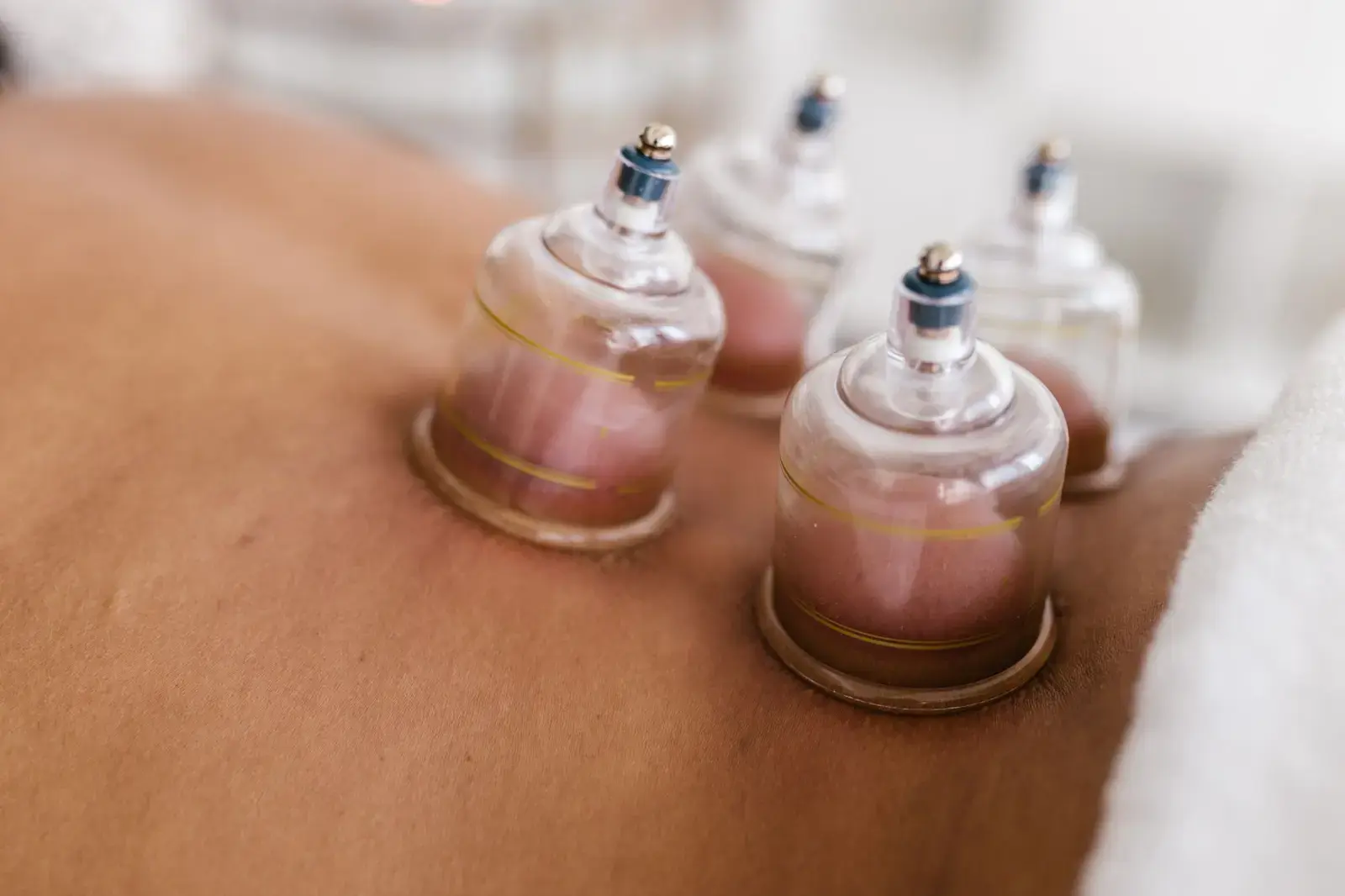
أكواب حجامة شفافة على ظهر مريضClear cupping cups applied to a patient's back
صورة توضيحيةIllustrative photo

الحجامةCupping therapy

أكواب توضع على الجلد مع شفط لطيف. تُستخدم كإجراء مساعد بعد التقييم، والأدلة على فعاليتها محدودة.Cups placed on the skin with gentle suction. Used as an adjunct after assessment; evidence for its benefit is limited.

المزيدLearn more
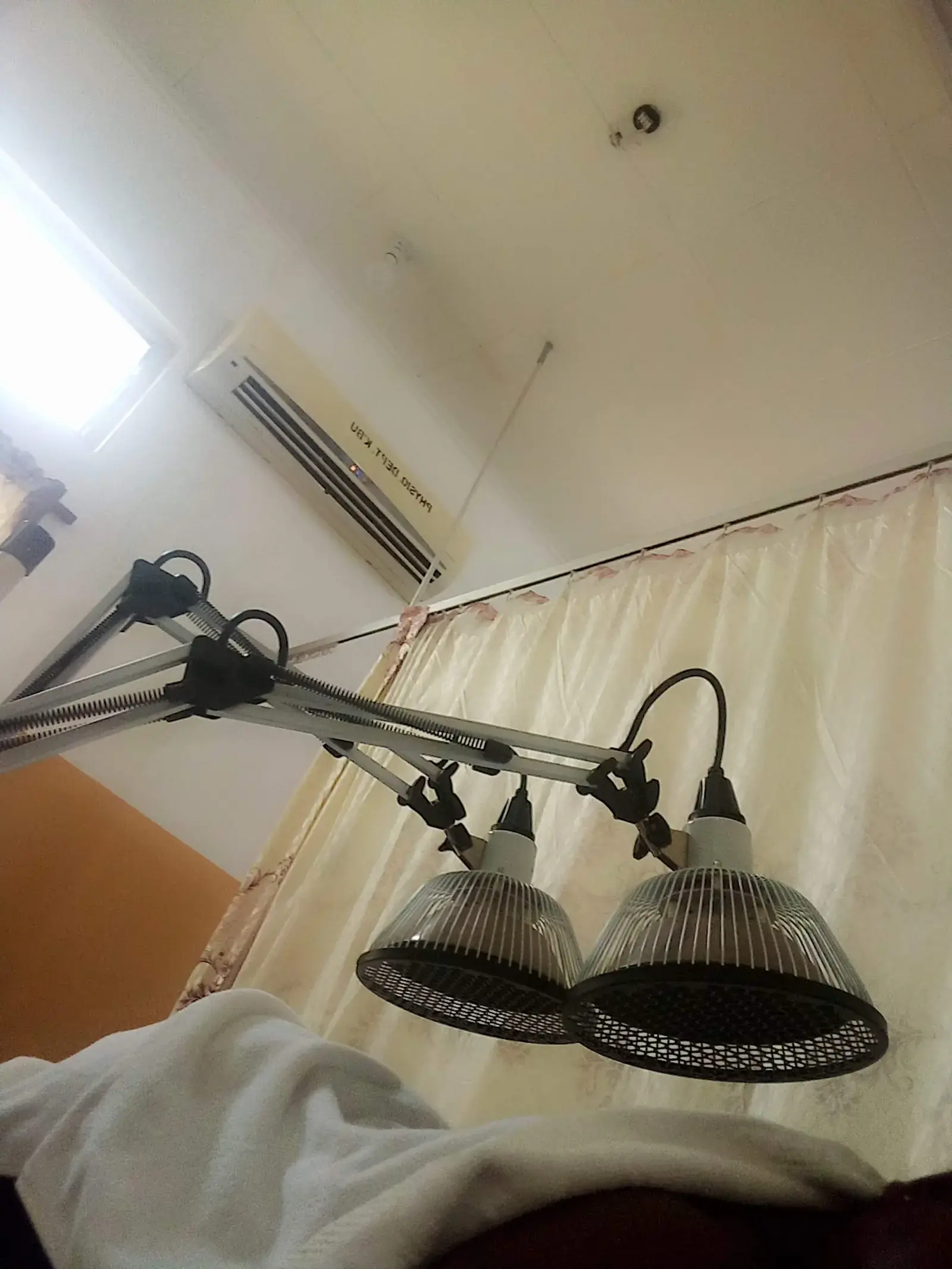
مصابيح حرارية بالأشعة تحت الحمراء على حوامل في غرفة علاجInfrared heat lamps on stands in a treatment room
صورة توضيحيةIllustrative photo · SAgbley, CC BY-SA 4.0

العلاج الحراري بالأشعة تحت الحمراءInfrared heat therapy

تدفئة موضعية بمصباح أشعة تحت حمراء كإجراء مساعد لراحة العضلات، ولا تُعد علاجًا للأمراض المزمنة.Local warmth from an infrared lamp, used as an adjunct for muscle comfort. It is not a treatment for chronic disease.

المزيدLearn more
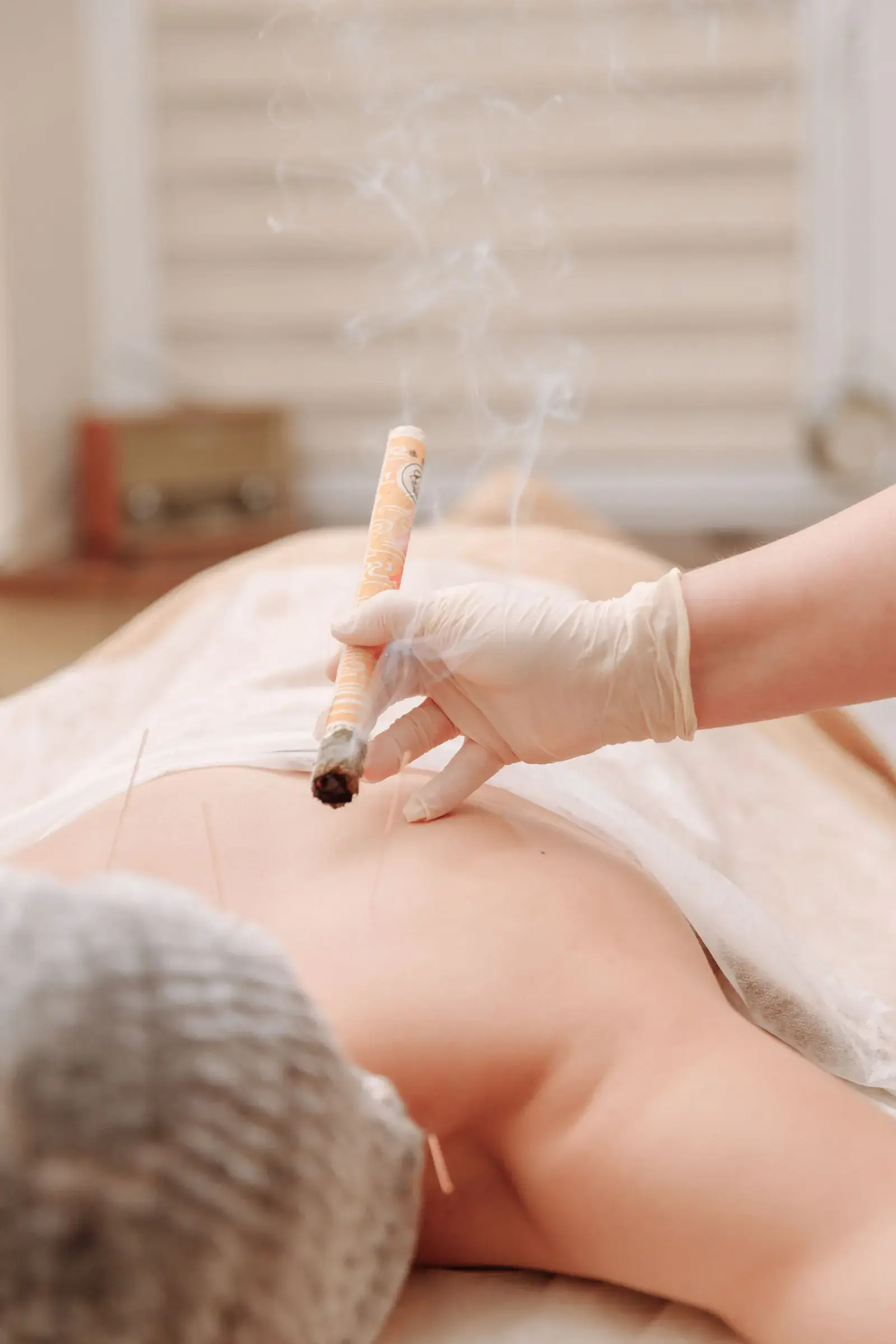
ممارس يرتدي قفازًا يمسك عصا موكسا مشتعلة فوق ظهر مريضA gloved practitioner holding a lit moxa stick above a patient's back
صورة توضيحيةIllustrative photo

الموكسا (التدفئة بالمُكسا)Moxibustion

تدفئة مضبوطة بعشبة المُكسا (الشيح) قرب الجلد أو فوق الإبر، كإجراء مساعد لا يحل محل الرعاية الطبية.Controlled warming with moxa (mugwort) held near the skin or over needles, as an adjunct that does not replace medical care.

المزيدLearn more

المصادر العامةGeneral sources

  1. National Center for Complementary and Integrative Health. Acupuncture: effectiveness and safety.NCCIH (US National Institutes of Health) · Last updated Oct 2022 · www.nccih.nih.gov/health/acupuncture-effectiveness-and-safety (opens in a new tab)
  2. World Health Organization. WHO benchmarks for the practice of acupuncture. Geneva: WHO; 2020.WHO · 2020 · www.who.int/publications/i/item/978-92-4-001688-0 (opens in a new tab)